Introduction: Is Sea Buckthorn Worth the Price?
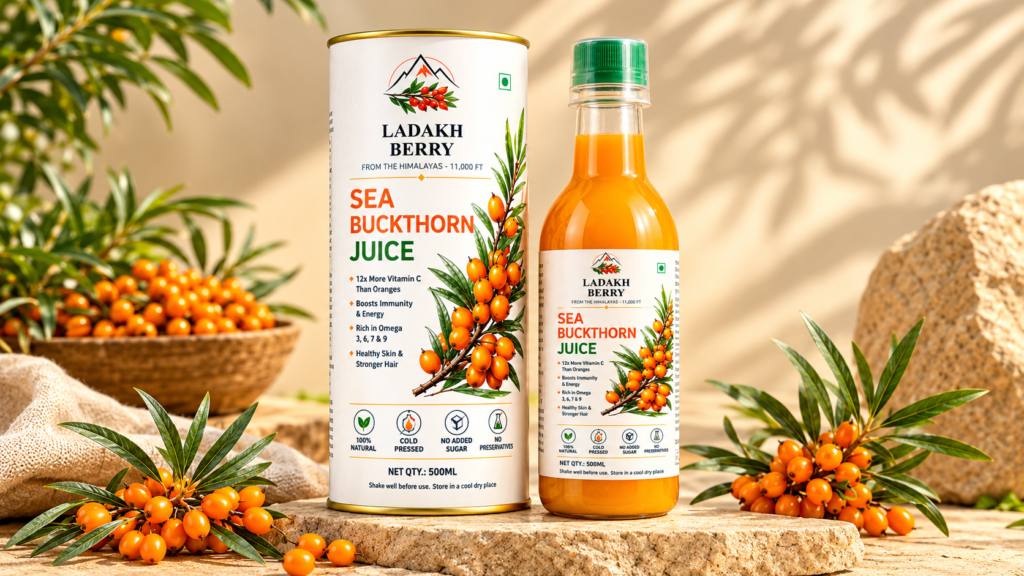
Sea buckthorn is gaining consideration among people interested in botanical skincare, plant-based ingredients, and fitness products. Its bright orange berries are used to produce juices, food products, skincare oils, and dietary improves.
However, three questions often arise before purchasing: Why is sea buckthorn so costly? Can you take it daily? And how much does one kilogram cost?
This Sea Buckthorn review answers these questions for shoppers in the United States, United Kingdom, and Canada. It also describes what to check before choosing a product in 2026.
What Makes Sea Buckthorn Special?
Sea buckthorn (Hippophae rhamnoides) is a thorny shrub that produces small, orange berries with a genuinely tart flavour. The berries cover fatty acids, carotenoids, vitamins, and other plant compounds.
Products are offered as fresh or frozen berries, dried fruit, juice, seed oil, berry pulp oil, and supplements. Their ingredients and intended uses differ, so evaluating labels is essential.
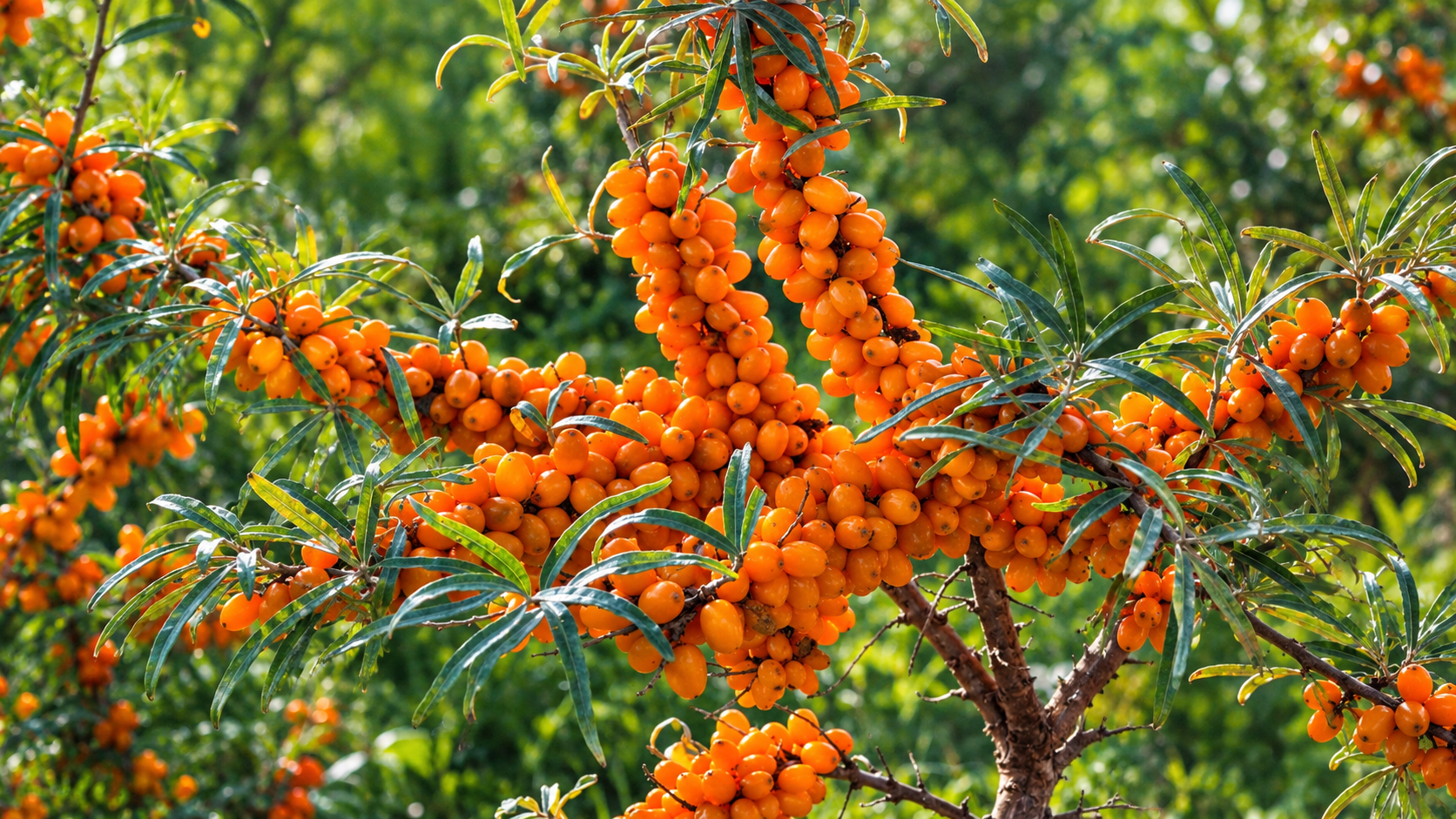
1. Why Is Sea Buckthorn So Expensive?
Sea buckthorn can cost more than familiar fruits because of several production and processing factors.
Labour-intensive harvesting: The shrub has thorny branches, and gathering its delicate berries can require considerable care. Harvesting routines, farm size, and available equipment change production prices.
Processing requirements: Producing frozen berries, dried fruit, concentrated juice, or extracted oil requires different equipment and processing methods. Oil removal and further modification can add to the final price.
Availability and transportation: Sea buckthorn is not similarly available in every market. Seasonal harvests, sourcing arrangements, storage, and international shipping can affect retail prices in the US, UK, and Canada.
Product quality: Organic certification, testing, specialised packaging, and documented tracking may increase costs. However, an pricey product is not repeatedly better.
Concentration and formulation: A small bottle of extracted oil is not directly equal with a kilogram of whole berries. The product’s setup and processing level concern when evaluating value.
The best approach is to compare similar products rather than choosing solely by price.
2. How Much Does 1 kg of Sea Buckthorn Cost?
There is no single worldwide price for one kilogram of sea buckthorn. The cost changes on whether you purchase frozen berries, dried berries, pulp, or oil.
Examples from online listings illustrate these differences:
- Canada: Hedgerow Orchard lists 1 kg of frozen sea buckthorn berries for approximately CAD $30. https://hedgeroworchard.ca/products/frozen-sea-buckthorn-berries
- United Kingdom: Mimea lists whole sea buckthorn berries from approximately £41.45 per kilogram, with the displayed 1 kg option priced at £43.09. https://www.mimea.co.uk/product/sea-buckthorn-berries-whole/
- United States: Imported dried berries may be greatly more expensive than frozen fruit, particularly when international shipping is included. Check the current delivered price before purchasing.
These are illustrative retailer listings, not guaranteed prices for every location or seller. Prices and stock can change. Sources: retailer listings and Mimea.
Before buying, compare the price per kilogram, product format, shipping charges, taxes, and expiry date. Remember that one kilogram of dried berries is not equivalent to one kilogram of frozen berries in moisture content or intended use.
3. Can You Take Sea Buckthorn Daily?
Sea buckthorn is used in foods and dietary supplements, but whether regular consumption is proper depends on the research, amount, and individual situation.
Berries used in ordinary foods are different from focused oils and supplements. There is no commonly established daily dose that applies to every sea buckthorn product or health purpose. Source: Drugs.com clinical overview.
If you are considering a supplement:
- Follow the specific product’s directions rather than devising your own dose.
- Confirm the full ingredient list and any alerts.
- Ask a healthcare specialist before use if you take medication, specifically blood-thinning medicines, or have a medical illness.
- Seek expert advice if you are pregnant or breastfeeding, because care information is insufficient.
- Stop using the product and seek appropriate advice if you experience an unexpected reaction.
Sea buckthorn may cause side effects or interact with certain medicines. Study into its potential benefits is ongoing, and proof does not establish that every product serves the results marketed.
For US shoppers, dietary supplements are not FDA-approved for success before marketing in the same way as prescription medicines. UK and Canadian consumers should also check the relevant local product needs.
4. How to Choose a Sea Buckthorn Product
Before ordering online, use this simple checklist.
Read the label: Identify whether the product contains berry pulp oil, seed oil, a combination, or whole fruit.
Check intended use: Cosmetic oils are not routinely suitable for swallowing, and supplements are not automatically appropriate for facial application.
Look for quality information: Review the manufacturer’s details, batch documentation, expiry date, storage instructions, and any available individual testing.
Compare total value: Judge the amount supplied, ingredient composition, price, shipping, and return policy.
Avoid exaggerated claims: Be cautious of products confirming guaranteed results or claiming to cure medical conditions.
A transparent label and realistic claims are more useful than attractive wrapper alone.
Final Verdict: Is Sea Buckthorn Worth Buying?
Sea buckthorn may appeal to clients looking for an unusual fruit ingredient or a botanical oil for an appropriate skincare regular. However, the right choice changes on your intended use, budget, and the condition of the specific product.
It can be expensive because of harvesting, processing, availability, and formulation. One kilogram may cost very different amounts conditional on whether it contains frozen fruit, dried berries, or alternative preparation. Day by day supplement use also makes careful consideration rather than undertaking that a natural ingredient is suitable for everybody.